The Beam You Can't See: A Late-Afternoon Headlight Audit for London Cars
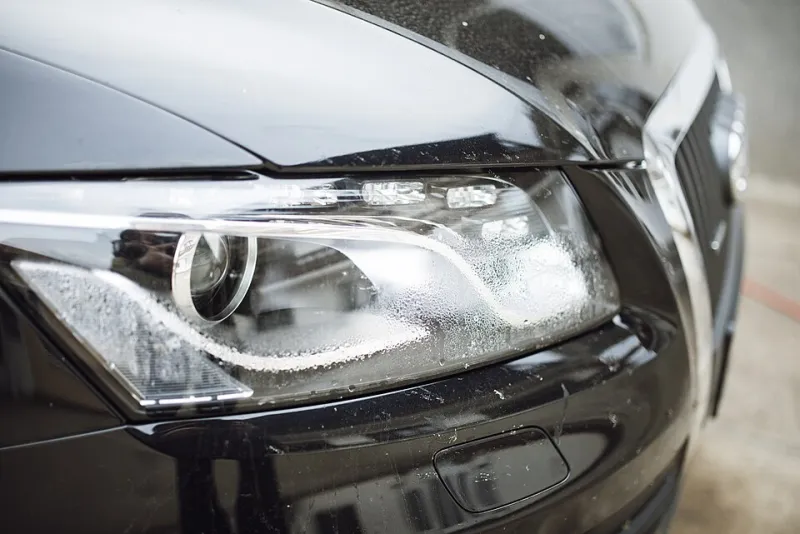
Photo: Shixart1985, CC BY 2.0, via Wikimedia Commons
There's a particular moment in November when the sky over London gives up somewhere around four o'clock. The streetlights flicker on, the traffic settles into its slow red trail along the A406, and suddenly every car seems to be showing its headlights. Including yours. The trouble is, on a road that's already lit by ledges of LED and sodium light, a dim or badly aimed headlight can look almost normal from the driver's seat. It's only when someone flashes you, or an MOT tester walks round the front with a beam setter, that the truth comes out.
This isn't a scare story. Most headlight problems are small, fixable and cheaper than the panic suggests. But they do creep up on London drivers precisely because we spend so much time in traffic under streetlights, moving slowly, seldom seeing our own beam pattern against a truly dark road. A five-minute walk-around at kerbside is a sensible habit at this time of year — and it's a lot friendlier than discovering the issue on MOT day.
Start with the obvious: walk round the front
Park somewhere flat, put the handbrake on and leave the engine running if you need the lights on. Better still, switch the ignition on so the lights work without the engine idling on a residential street. Now walk to the front of the car and look at both headlamps together.
What you're looking for is simple: are they both working, do they look broadly the same colour, and is one noticeably dimmer or cloudier than the other? A mismatch is easier to spot than you'd think. One crisp white bulb beside one yellowish one looks odd even in daylight. So does a lens that's gone milky on top while the other still looks reasonably clear.
Check the indicators, sidelights and fog lights while you're there. It's a two-minute job and it saves the embarrassment of a mirror-full of blank indicator on the North Circular. If your car has a light warning on the dash, deal with it now rather than assuming it's a phantom. Modern cars can be fussy about bulb resistance, and a cheap bulb that isn't quite right can keep the warning alive.
Yellow lenses, cloudy covers and the London grime cycle
Plastic headlight lenses don't stay clear forever. UV light, road grit, tiny stone chips and the general soup of London traffic slowly oxidise the surface. The result is a yellowish or milky film that scatters light instead of throwing it down the road. It's not usually an MOT fail on its own, but it can make the beam pattern weaker and less defined — and that's where testers start paying attention.
A proper lens restoration kit, used carefully, can make a real difference. Follow the instructions, mask the paintwork, and don't go at it with a dry cloth and optimism. If the cloudiness is inside the lamp — actual condensation droplets or a permanent fog behind the glass — that's different. A little misting that clears after the lights have been on is common in damp weather. Standing water, big droplets or a lens that stays fogged all day points to a failed seal or a cracked housing. That's worth investigating before it turns into a corroded connector or a bulb that keeps blowing.
The cheap fixes versus the electrical warning signs
Not every dim headlight needs an auto electrician. Some do, and it's worth knowing the difference.
Usually straightforward: a blown bulb, a mismatched pair, a cloudy lens, a loose connector you can see and reach, or a bulb that's simply old and has lost its edge. Replacing headlight bulbs in pairs is good practice. If one has gone, the other isn't far behind, and a matched pair keeps the beam pattern even.
Worth a proper look: lights that flicker over bumps, a headlight that works intermittently, repeated bulb failures on the same side, visible green corrosion in a connector, or a beam that seems to point at the treetops no matter what you do. Those can point to a poor earth, water ingress, a failing switch or a wiring issue. Don't keep throwing bulbs at it. A garage can test the circuit properly and save you the guesswork.
Also be wary of very cheap LED replacement bulbs in halogen housings. They may look bright in a car park, but the beam pattern can scatter badly and dazzle other drivers. Headlight aim and colour are part of what an MOT tester looks at, and a modification that ruins the pattern isn't doing you any favours. If you want brighter lights, ask about legal, proper upgrades rather than whatever arrives fastest from an online marketplace.
What the MOT tester is actually looking at
An MOT headlight check isn't a beauty contest. The tester is looking at whether the lamps are secure, whether they work, whether the colour is acceptable, whether the aim is within limits and whether the beam pattern is doing what it should. A cloudy lens that still produces a sensible beam may pass. A lens that scatters light so badly the aim can't be set properly, or a headlight pointing into oncoming traffic, is a different matter.
That's why beam aim matters so much. A headlight can be perfectly bright and still be wrong if it's aimed too high. You'll notice it as a faint lack of confidence on unlit roads, or as other drivers flashing you when you're not on main beam. In London, with so much ambient light, it's easy to miss. A garage with a beam setter can adjust it quickly, and it's often a small job compared with the worry it causes.
A five-minute routine for darker afternoons
Before you pull away one evening this week, try this:
- Switch on the lights and walk round the front. Check both headlamps, both indicators and the fog lights if fitted.
- Look for a colour mismatch or one side that's clearly dimmer.
- Wipe the lenses with a soft, wet cloth. Don't scrub grit across the plastic.
- Check for standing water or heavy condensation inside the lamp.
- Stand a few metres ahead and squat down. You're not setting the beam yourself, but you'll see if one light is pointing wildly high or low.
- Listen for the click of a loose connector if you can safely reach it — and leave it alone if it's buried under trim.
If something looks off, get it looked at before the MOT queue fills up. Headlights are one of those things that feel minor until you're driving home in the rain at half past four, following a faint yellow smear of your own making. A quick check now is cheaper than a retest, and far more neighbourly to the driver coming the other way.