The Dashboard's Quiet Panic: Making Sense of Warning Lights in London Traffic
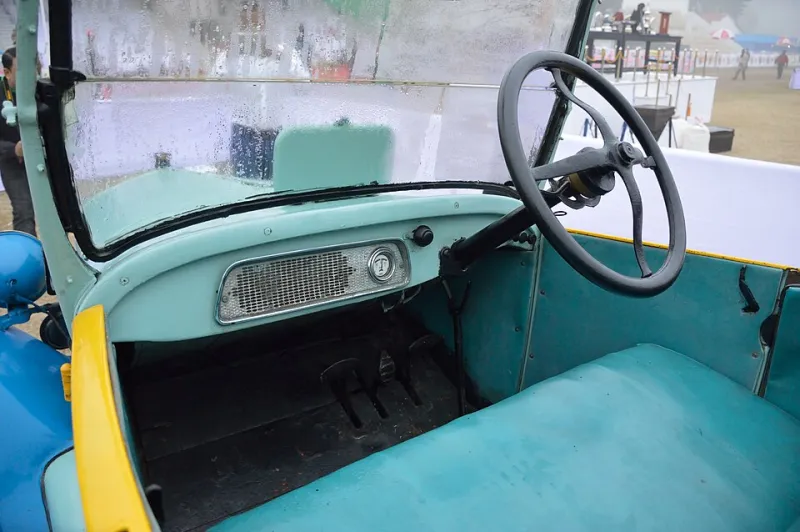
Photo: Biswarup Ganguly, CC BY 3.0, via Wikimedia Commons
Picture this: you are heading east on the A13, the rain is doing that fine London drizzle that somehow finds every gap in your jacket, and a little amber engine symbol glows to life beside the speedo. Your first instinct might be to turn up the radio and pretend you did not see it. That is understandable. Dashboard lights have a talent for making ordinary drivers feel like they have failed an exam. But most warnings are not emergencies. They are messages, and the trick is to read the colour, the symbol and the way the car is behaving before you decide what to do next.
Start With the Colour, Not the Panic
In broad terms, red means stop safely as soon as you can. Amber means pay attention and get the car looked at before small trouble becomes expensive trouble. Green or blue usually means something is switched on or working normally, such as headlights or main beam. This is a rough guide, not a law of motoring. Your owner's handbook is the final word for your particular car, and it is worth keeping it in the glovebox rather than in a drawer at home.
The other thing to watch is behaviour. A light on its own is one clue. A light plus a shudder, a loss of power, a burning smell or a brake pedal that feels odd is a different conversation. London traffic gives you plenty of chances to notice those changes, even if it rarely gives you a convenient place to stop.
The Amber Engine Light: The One London Sees Most
The engine management light is the classic amber worry. If it is steady and the car feels normal, you usually have time to book an inspection. Drive gently, avoid hard acceleration and do not leave it for weeks. If it is flashing, treat it as urgent. A flashing engine light often points to a misfire, and continuing to drive can damage the catalytic converter. Pull over safely and call for advice.
One easy check first: if the light appeared just after refuelling, make sure the fuel cap is tight. A loose cap can trigger a warning on some cars. Do not rush to clear the code yourself. The code is information, and a good garage would rather see the history than a blank screen.
Tyre Pressure Warning: A London Pothole Regular
The tyre pressure symbol, often a horseshoe shape with an exclamation mark, is common on city cars. London kerbs, potholes and slow leaks all take their turn. Check pressures when the tyres are cold, including the spare if you have one. If a tyre looks visibly flat, or the car pulls to one side, stop and sort it out before driving further. If the light returns after you have inflated the tyre, you probably have a puncture, a leaky valve or a damaged wheel.
Red Oil Can: Stop Now, Not Later
A red oil pressure warning is not a suggestion. Pull over safely and switch the engine off. Driving with low oil pressure can wreck an engine in a very short distance. Once the car is cool, check the oil level and top up if needed, but still get the cause checked. If the light comes back, do not keep driving and hoping.
Brake Warning: Red Means Respect
A red brake warning while driving can mean low brake fluid or a fault. If the pedal feels spongy, the car pulls under braking or you hear grinding, stop as soon as it is safe. An amber ABS light is different: the normal brakes should still work, but the anti-lock system may not. Leave more distance and get it inspected soon, especially with London's stop-start traffic and wet roads.
Temperature Light: Congestion Can Cook a Car
A red thermometer means the engine is getting too hot. Stop safely, let it cool and do not open the coolant cap while it is hot. Check the coolant level only when cold. Overheating in a traffic queue is miserable but not unusual, and continuing to drive can turn a head gasket into a major bill.
Battery Light: Not Just a Flat Battery
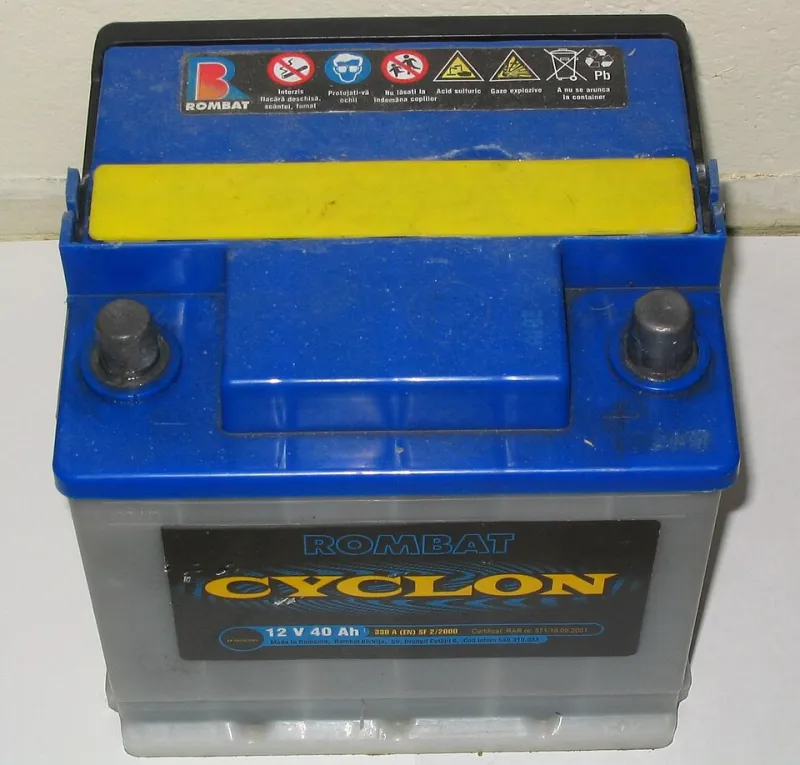
If the battery symbol stays on while the engine is running, the charging system may have a fault. Turn off unnecessary electrical loads and head to a garage rather than a long motorway trip. If it is combined with overheating or a burning smell, stop sooner rather than later.
Amber Lights That Can Usually Wait for a Booking
Steady engine lights, tyre pressure warnings, ABS warnings and diesel particulate filter warnings often allow a short, gentle journey to a garage. A DPF light on a London car that does mostly short hops is a common sight. It may need a longer run at speed, but it may also need diagnosis. Book it in and explain your driving pattern.
How to Stop Safely on a Busy London Road
Avoid stopping on red routes, in bus lanes or cycle lanes unless it is a genuine emergency. Look for a side street, a car park, a lay-by or a safe spot off the main flow of traffic. Put your hazards on, stay away from moving traffic and do not stand between the car and the kerb if you can avoid it. If you are on a motorway, use the hard shoulder or an emergency area and call for help.
The Ten-Minute Check That Saves Guesswork
Before you call a garage, note when the light appeared and what you were doing. Check tyre pressures, oil level, coolant level when cold, brake fluid and the fuel cap. Take a photo of the dashboard. These small details help a garage give you useful advice rather than a vague guess.
The Bottom Line
Do not panic, but do not ignore a warning either. Read the colour, watch the car's behaviour and check the handbook. A red safety light deserves respect. A steady amber light deserves a booking. And if you are unsure, call a trusted local garage and describe what happened. At London Avenue Garage, we would always rather answer a worried question than meet a damaged engine later.