The Congestion Tax Under the Bonnet: Keeping a Short-Hop London Car Healthy
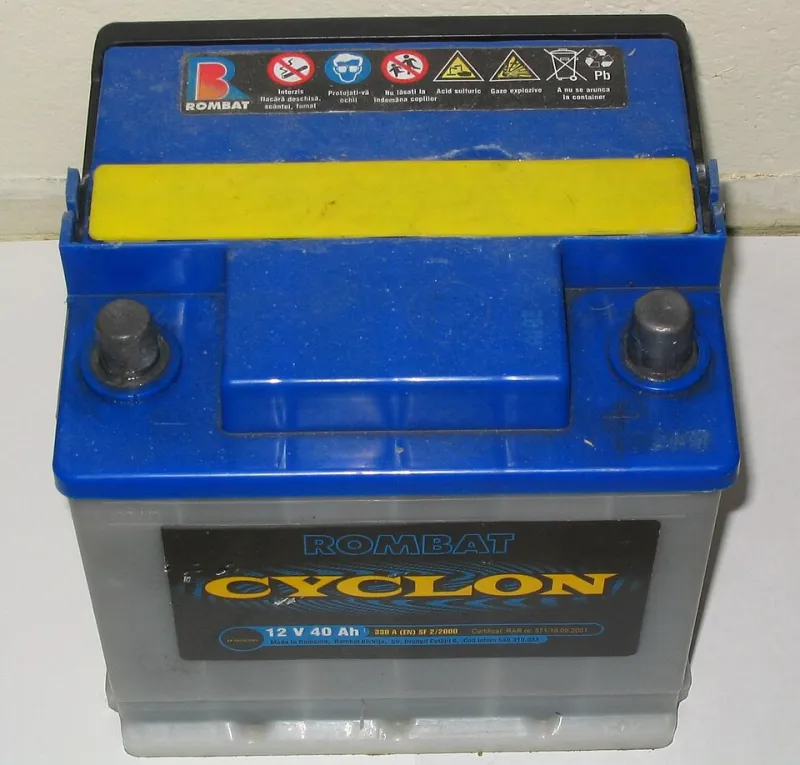
Photo: No machine-readable author provided. Shaddack assumed (based on copyright claims)., Public domain, via Wikimedia Commons
A London car can have a low mileage on the clock and still live a hard life. Think about the average week: a cold start for the school drop-off, a crawl to the shops, a few minutes idling outside a nursery, then home again. The engine barely gets warm. The battery barely gets a chance to recharge. The brakes get used at walking pace, and the exhaust never really dries out.
That is why a car that has done 30,000 gentle-looking miles in London can sometimes feel more tired than one that has cruised up and down the country. Short journeys are not automatically bad, but they are a different kind of workload. Here is what is going on under the bonnet, and what you can do about it without turning your weekend into a mechanic's apprenticeship.
Why a two-mile trip is harder than a twenty-mile run
When an engine starts from cold, it runs rich, oil is thick, and condensation forms inside the engine and exhaust. On a longer run, everything reaches operating temperature, moisture burns off, and the battery gets a proper charge. On a two-mile hop, you switch off before any of that has happened properly.
Congestion makes it worse. Stop-start traffic means more idling, more brake use and more electrical load from lights, wipers and heated screens. The car is working, but it is not cruising. Over months, that pattern shows up in predictable places.
Batteries: the quiet casualty
A battery has to recover the energy used to start the engine, plus whatever the lights, radio, phone charger and heated rear screen are drawing. Short trips may not give it enough time to recharge. Add a cold snap and an older battery, and you get the classic slow crank on a dark Monday morning.
You can help by taking one longer drive a week — twenty to thirty minutes at a steady speed, not just a lap around the block — and by keeping the battery terminals clean. If your car has stop-start technology, do not assume it is always saving you money; it is cycling the battery more often. If you notice dimming lights, slow starting or a battery warning light, get it tested rather than waiting for a no-start.
Brakes: rust, sticking and underuse
London cars often suffer from brakes that are used gently and then left standing. Brake discs can rust, especially in damp weather, and calipers can start to stick. You might hear a light squeal for the first few yards, which can be normal after rain, but a grinding noise, a pulsing pedal or a car that pulls to one side needs checking.
Short trips also mean the brakes rarely get hot enough to dry out properly. Once a week, on a safe road and in dry conditions, use the brakes normally from a reasonable speed rather than riding them at low speed. Do not go looking for a dramatic emergency stop; just let them do their job.
Exhausts and emissions kit
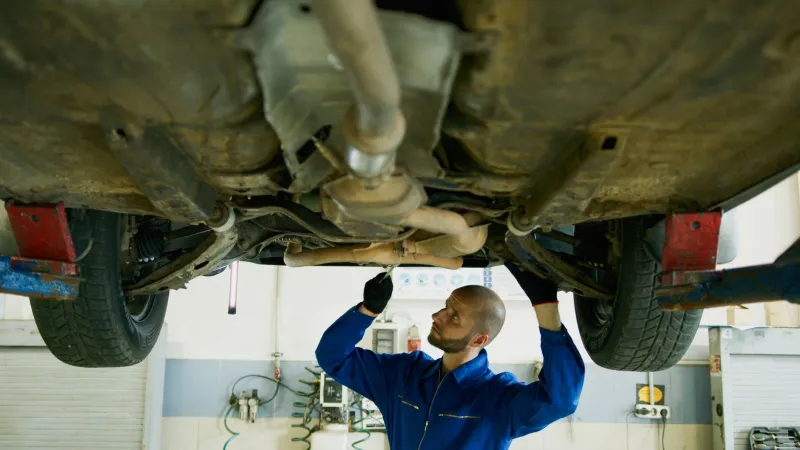
Short journeys create moisture in the exhaust, and moisture plus time equals corrosion. The rear silencer and exhaust joints are common rust spots on low-mileage London cars. If you start seeing condensation dripping from the exhaust on a cold morning, that is normal. If you hear a blowing noise or smell fumes in the cabin, get it looked at.
Diesel cars used mainly for short trips can also struggle with the diesel particulate filter. It needs a decent run at speed to regenerate properly. If the DPF warning light comes on, do not ignore it and do not just keep resetting it. A garage can advise on the right kind of run or the fault behind it.
Oil and engine wear
Cold starts are when the engine is least protected. Oil takes a moment to circulate, and short trips leave moisture and unburnt fuel in the oil. That is why the 'severe service' interval in your handbook matters for London driving. If you mostly do short hops, do not stretch the service interval just because the mileage looks low. Fresh oil is cheaper than a worn engine.
Check the dipstick once a month, with the car on level ground and the engine cold. If the oil looks milky, smells strongly of fuel or drops quickly, book a check.
The school-run adjustment plan
You do not need to change your whole life to look after a short-hop car. Try these small habits:
- Combine errands into one trip rather than five cold starts.
- Take the longer route home once a week so the engine reaches temperature.
- Switch off the engine when waiting outside school, where it is safe and legal to do so.
- Keep tyre pressures correct; under-inflated tyres make every trip harder work.
- Park facing out where possible, so you are not reversing cold in the dark.
- Use the correct oil and service schedule for your car, not a generic guess.
A simple monthly routine
Once a month, spend ten minutes doing the same check. Look at the tyres for pressure and damage. Check the lights with a helper. Look under the bonnet for oil, coolant and screenwash levels. Listen for a slow crank or a new rattle. Notice whether the brakes feel different or the car is using more fuel than usual. Write down anything that changes; a pattern is easier to spot than a one-off noise.
When to book rather than monitor
Book a repair if you get a warning light that stays on, repeated slow starting, grinding brakes, a strong fuel or exhaust smell, overheating, or a DPF light that comes back. Those are not 'wait until the MOT' problems. Small faults on a short-hop car can turn into expensive ones because the car never gets the’t at operating temperature to keep itself clean and dry.
A London car does not need to be mollycoddled. It just needs to be maintained for the life it actually leads — lots of starts, lots of stopping, and not much motorway. Adjust the servicing to that reality, keep an eye on the basics, and you will avoid a lot of the bills that catch out low-mileage drivers.