After the Rain: Navigating Flooded London Streets Without a Garage Bill
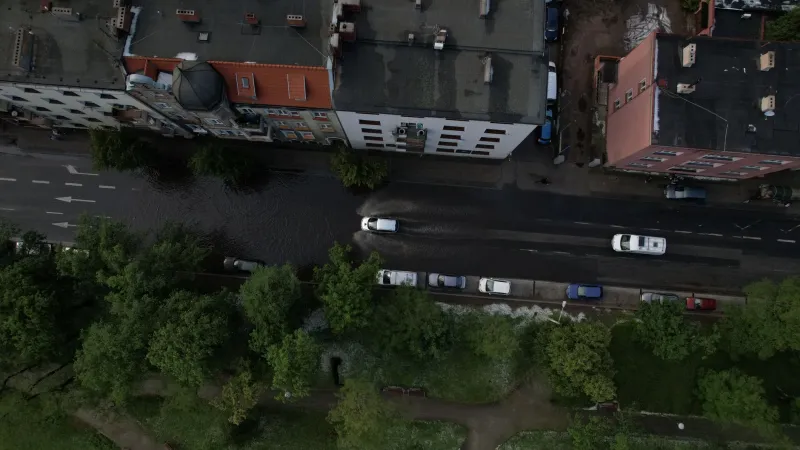
London rain has a habit of arriving all at once. One minute you are crawling along a familiar road, the next the gutter is a brown ribbon and the dip by the bus stop has become something closer to a pond. For drivers in the city, flooded streets are rarely dramatic rivers. They are small, local, and easy to underestimate — which is exactly what makes them expensive.
The good news is that most flood damage is avoidable. You do not need to be a mechanic to make a sensible call at the water's edge. You just need a little patience, a rough idea of what is underneath the car, and the willingness to turn around if something does not look right.
Read the Water Before You Read the Road
A puddle is not just water. In London it is often water plus a hidden drain cover, a sunken kerb, a pothole that was patched last winter, or a lump of debris washed down from the pavement. That is why the first rule is simple: do not drive at a flooded patch just because the car in front got through.
Pull up safely, if you can, and look at the edges. Is the water moving? A gentle flow across the road is one thing; fast-moving water after a burst main or a blocked drain is another. Look for markers — kerb height, painted lines, the base of a lamp post — to judge depth. If the water is clearly above the bottom of your wheels, think hard. If it is halfway up a wheel or higher, the sensible answer is usually no.
Also check what kind of road you are on. A shallow-looking puddle on a flat residential street may be fine. The same depth at the bottom of a dip, under a railway bridge, or near a construction site can be deeper than it looks. Local knowledge helps here. If you know a spot floods every time it rains hard, believe that memory rather than the optimistic gap in the traffic.
The Bow Wave Is Your Friend, Until It Is Not
If you decide to go through shallow water, drive steadily and slowly. A gentle, constant speed creates a small bow wave in front of the car and helps keep water away from sensitive bits underneath. What you do not want is to charge in, because a sudden surge can push water up into places it has no business being.
Avoid stopping mid-puddle. Restarting in deep water is a quick way to turn a damp moment into a proper problem. Keep a sensible gap from the vehicle ahead, too. Their bow wave can swell the water around your car, and a van or bus can send a wave sideways that reaches your sills and door seals.
Once you are through, do not immediately blast off. Give the car a moment. If the steering feels heavy or unusual, or if you can hear water sloshing, pull over somewhere safe and have a look.
Petrol, Diesel and the Air Intake Question
The reason floodwater and engines do not mix is usually the air intake. Engines need air, and that air is drawn in through a pipe or box somewhere behind the front bumper or under the bonnet. In deep water, the intake can swallow water instead of air. Water does not compress like air does, so the engine can hydraulic-lock — which is a polite way of saying it can suffer sudden, serious internal damage.
Diesel cars are not immune, and modern petrol engines with low-mounted intakes can be just as vulnerable. Lifted suspension or a high-riding SUV does not automatically make a car amphibious either. The intake height matters more than the badge on the bonnet.
If the engine stalls while you are in water, do not try to restart it. Resist the reflex to turn the key or press the starter button. Call for recovery and get the car checked. Cranking an engine that has swallowed water can turn a repair into a replacement.
Electric Cars Are Not Amphibious Either
EVs have sealed battery packs and no exhaust to flood, which sometimes gives drivers a false sense of security. They are still cars, not boats. Water can affect wheel bearings, suspension components, electrical connectors and brake systems, and deep water can cause problems that are not obvious straight away.
Treat an EV with the same caution as anything else: shallow water only, steady speed, and no unnecessary risks. If the car has been through water deeper than you expected, it is worth having a garage check it over rather than waiting for a warning light to appear weeks later.
Brakes That Feel Different Afterwards
After driving through standing water, it is normal for brakes to feel slightly weaker or grabby for a short time. Water can sit between the pads and discs. The usual remedy is gentle, low-speed braking a few times in a safe place to help dry them out. Do not stamp on the pedal in traffic to test them.
If the pedal still feels soft, the car pulls to one side, or you hear grinding, stop driving and get it looked at. Brakes are not an area for guesswork, especially in London traffic where the gap ahead closes quickly.
When to Park Up and Phone the Garage
Stop and seek help if the engine stalled in water, if the water was clearly above wheel height, if the car is making new noises, if the brakes feel wrong, or if warning lights appear on the dash. Do not book a long drive home hoping it will sort itself out.
A quick garage check is almost always cheaper than a flooded engine, a ruined starter motor or a brake problem that has been ignored. And if you are unsure about a particular puddle on your regular route, ask your local garage. Most will happily tell you which local dips to avoid after heavy rain — and that sort of neighbourly knowledge is worth having before the next downpour.