Mist, Must and the AC Button: A Damp-Weather Routine for London Cars
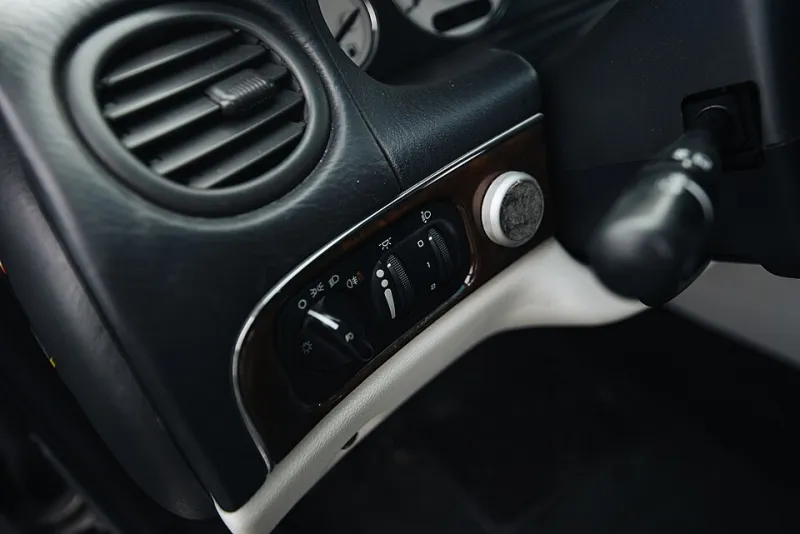
Photo: Shixart1985, CC BY 2.0, via Wikimedia Commons
It is mid-November in London. The windscreen is fogged before you have even pulled out of the residents' bay, the school run is a blur of brake lights, and the heater is doing its best impression of a hairdryer on a cold bathroom mirror. In the middle of all this, there is a button many drivers ignore until summer: the air-conditioning switch.
That is a mistake. Air-con is not just a cooling system. It is a dehumidifier, and on a damp London morning it can clear a misted screen faster and more thoroughly than hot air alone. The trick is knowing how to use it — and why a five-minute weekly run matters even when the weather is grim.
Why cold-weather air-con feels counterintuitive
Most of us associate the AC button with a blast of cold air on a hot day. So when the temperature drops, pressing it feels wrong. Surely you want heat, not refrigeration?
Here is the thing: the air-con system dries the air as it passes through the evaporator. Dry air is much better at absorbing moisture from the inside of the glass. The heater then warms that dry air, so you get a screen that clears quickly and stays clear. The two systems work together. You are not choosing between warmth and demisting — you are using both.
On a typical London November day, the car is full of moisture. Wet coats, damp shoes, breath, a flask of tea, and the general humidity of a city built near a river. Without dehumidification, that moisture condenses on the coldest surface it can find: the glass. Running the air-con pulls that moisture out of the cabin rather than letting it settle on the windscreen.
The demist settings drivers overlook
Most cars have a front demist button with a wavy arrow icon. Pressing it usually does several things at once: it directs air at the windscreen, switches on the air-con, and often engages recirculation for a short period. That combination is effective, but drivers sometimes override it without realising.
A few settings worth checking:
- Recirculation: In damp weather, recirculating cabin air can trap moisture. Use fresh-air mode once the initial mist has cleared, unless you are stuck behind a smoky diesel.
- Temperature: Warm air holds more moisture than cold air, so a lukewarm-to-warm setting is usually better for demisting than a cold blast.
- Fan speed: A medium fan speed with the AC on often clears the screen faster than maximum fan with cold air.
- Rear screen: Do not forget the heated rear window and, on many modern cars, the heated door mirrors. They are part of the same damp-morning routine.
If your car has automatic climate control, the demist button may be all you need. But if you have manual controls, take ten seconds to set the airflow to the windscreen, choose fresh air, and switch on the AC. Your screen will thank you.
The musty smell is trying to tell you something
If switching on the air-con produces a damp, sock-like smell, the system is likely holding moisture and debris. The usual culprit is the pollen filter — also called the cabin filter. It traps dust, pollen and leaves, and in a London car it can get clogged surprisingly quickly. When it is saturated, airflow drops, demisting suffers, and the smell gets worse.
A blocked pollen filter is a cheap part and usually a straightforward job. Replacing it can transform the way the heater and air-con perform. While the filter is being changed, it is worth checking the scuttle area — the tray below the windscreen — for leaves and grit. London's plane trees and autumn debris have a habit of collecting there, and a blocked drain can send water into the cabin.
If the smell persists after a filter change, a garage can clean and disinfect the evaporator. That is not a job to ignore. A musty system is an uncomfortable one, and it can point to a bigger moisture problem.
The weekly habit that keeps the compressor alive
Air-con systems do not like long periods of inactivity. The compressor relies on refrigerant and lubricating oil circulating through the system. Many modern cars automatically run the compressor briefly when you press the demist button, but not all do — and short London journeys may not give it enough time to do its job.
A simple habit: once a week, on a drive of ten minutes or more, switch on the air-con and let it run. It does not need to be a long motorway trip. A loop around the North Circular or a run to the supermarket and back is enough. This keeps the seals lubricated and helps prevent leaks that can lead to an expensive compressor repair.
It is also worth having the system checked every couple of years. Refrigerant can slowly escape through tiny seals, and a system that is low on gas will demist less effectively. A quick pressure check at a local garage is far cheaper than replacing a seized compressor.
A London-specific note
London driving is hard on air-con systems in a quiet way. Short hops, heavy traffic, damp weather and leafy streets all take their toll. The car never quite gets the chance to dry out, and the pollen filter collects more than its fair share of city grime. Drivers who park under trees or near building works may find the filter clogs faster than the service book suggests.
So if you only do one thing this week, make it this: press the demist button, leave the AC on, and take a slightly longer route home. Clear screens, a fresher cabin, and a compressor that stays happy are a decent return on five minutes of your time.