The Old Car Equation: Repairs, Charges and Saying Goodbye in ULEZ London

Photo: Flickr photographer skuds / Andrew Skudder, CC BY-SA 2.0, via Wikimedia Commons
There is a certain kind of London car that has become a rolling dilemma. It starts, it stops, it has been in the family for years, and it does not meet the ULEZ standards. The owner is not a climate sceptic or a motoring dinosaur. They are a person with a job, a school run, a tight budget and a garage quote sitting on the kitchen table. In 2026, the question is rarely whether ULEZ exists. It is whether repairing, keeping or cutting loose makes any sense at all.
The charge is a subscription to keep driving
For a non-compliant car, the ULEZ daily charge is £12.50. That sounds manageable until you multiply it by real life. Three days a week is roughly £1,950 a year. Five days a week is about £3,250. Daily use pushes past £4,500. Suddenly the old car is not just a car. It is a subscription service with an MOT attached.
That does not automatically mean sell it. A £700 repair that keeps a reliable car going for another year can look like excellent value against £3,250 in charges. A £2,800 repair on a car used twice a week looks very different. The first job is to count the days you actually enter the zone, not the days you fear you might.
What counts as non-compliant
Broadly, petrol cars need to meet Euro 4 and diesels need Euro 6. In practice, that often means petrol cars from around 2005 or earlier and diesel cars from around 2015 or earlier, but age is a rough guide, not a rule. Use the official TfL checker with your registration rather than trusting a neighbour's memory. The answer decides the entire spreadsheet.
Repair bill versus charge bill
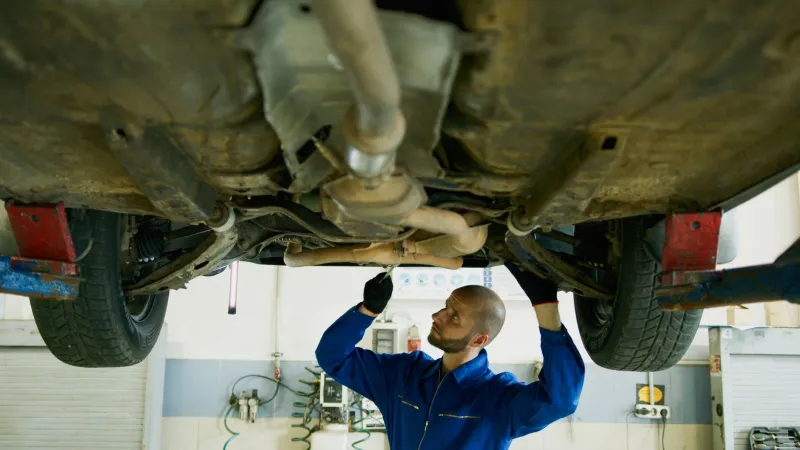
Get a written repair quote that separates what is needed for the MOT from what is merely advisable. Then get a second view if the first number makes you wince. Compare the essential repair cost with a year of ULEZ charges. If the repair is £600 and you would otherwise pay £3,000 in charges, the repair is the cheaper option by a wide margin, provided the car is otherwise sound.
If the repair is £2,500 and you use the car twice a week, the charge bill might be nearer £1,300 a year. The maths flips. Add in the risk of another big bill, and the old car starts to look less like a bargain and more like a loyalty programme with no rewards. Be honest about reliability, safety and how much of the repair is cosmetic. A tidy body does not fix a tired clutch or a corroded brake line.
The replacement maths is not just the purchase price
It is tempting to compare a repair bill with the price of a cheap compliant car. That is only the first line. Add insurance, road tax, fuel or charging, depreciation and the risk that the replacement has its own hidden faults. A £5,000 replacement can easily cost more over three years than a £1,200 repair on a known car. But a known car with a long list of MOT advisories is not really known. It is a promise that more bills are coming.
Set a sensible annual repair budget before you decide. If the car needs more than that in one go, and another fault is already knocking, the case for keeping it weakens. If the car has been reliable, has a clean MOT history and the repair is a one-off wear item, keeping it may be the neighbourly and financial winner.
Resale realities for non-compliant cars
Selling a non-compliant car in London is not like selling a compliant one. Local buyers are thinner on the ground, traders will price in the ULEZ problem, and private buyers may ghost you once they check the rules. Many of these cars end up outside London or with someone who needs parts. Be honest in the advert. A non-compliant car sold with a clear description is less trouble than one sold with a hopeful one.
If you have just spent a large sum on repairs, do not assume you will get it back. Receipts help, but they do not change the compliance status. Get a couple of quotes from traders and compare them with a private sale estimate. Sometimes the cheapest exit is not the highest sticker price. It is the one that actually completes.
A neighbourly decision framework
First, count your zone days accurately. Second, get an MOT-focused repair quote in writing. Third, calculate your annual ULEZ charge. Fourth, price a realistic replacement, including insurance and first-year repairs. Fifth, check the MOT history and ask whether the car is safe and dependable, not just sentimental. Sixth, get two resale quotes so you know your exit number.
Then use a simple rule. If the essential repair is comfortably less than a year of charges, the car is reliable and you plan to keep using it, repair it. If the repair is large, the charge bill is modest, or the car has a habit of returning to the garage, cut loose. If you are somewhere in the middle, repair only what keeps it legal and safe, then revisit the decision in six months.
The emotional bit is real
Old cars carry school runs, hospital trips and family holidays. It is not silly to feel attached. But London motoring costs have a way of making sentiment expensive. The kindest thing you can do for your household budget is to decide with your eyes open, not with a garage invoice in one hand and a nostalgic photo in the other. Fix it if the numbers and the reliability agree. Keep it if the charges are manageable and the car is sound. Cut it loose if the old car has become a monthly worry. That is not giving up. It is doing the maths.