The Residents' Bay Awakening: Bringing a Long-Parked London Car Back to Life
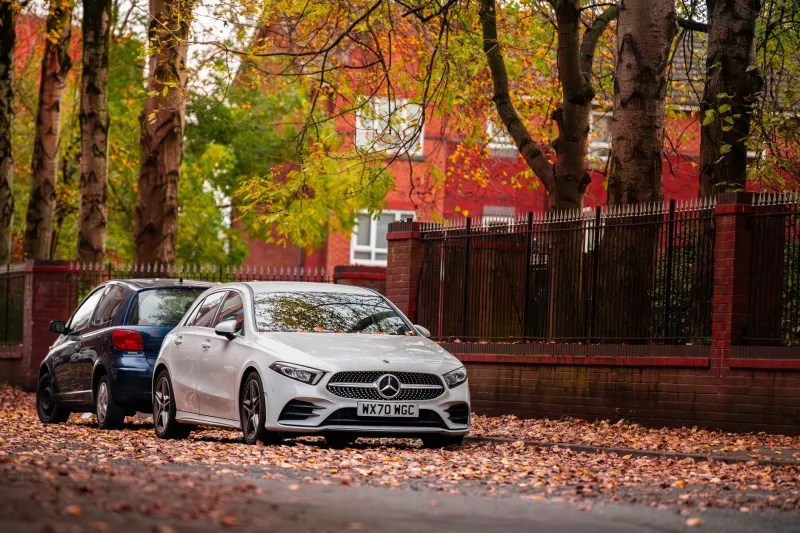
London cars lead a stop-start life at the best of times. But there's a difference between a week of short school runs and six weeks sitting in the same residents' bay while you're away, laid up or simply not driving. The car hasn't been resting; it's been quietly dealing with damp, gravity, battery drain and the slow business of standing still.
The good news is that most long-parked cars don't need drama. They need a sensible once-over before you turn the key, followed by a gentle reintroduction to the road. Here's how to do that without turning a simple restart into an expensive recovery job.
Look first, start second
Before you press anything, walk around the car. It sounds obvious, but after weeks in a London street it's easy to miss the obvious. Check that all four tyres still look like tyres rather than pancakes. Look for fresh fluid patches underneath, especially near the middle and towards the front. Clear leaves and twigs from the scuttle area below the windscreen, because London's plane trees and damp weather are generous with debris.
Check the wipers aren't stuck to the glass, and have a look at the number plates and lights. Also confirm the boring but important stuff: the car is taxed, insured and has a valid MOT if it's parked on a public road. Standing still doesn't pause those obligations. If it's been off the road for a while and you're unsure, sort that out before you drive anywhere.
The battery is usually the first casualty
Modern cars don't truly switch off. Alarms, keyless entry, clocks and small control modules all nibble at the battery. Add a cold snap and a battery that was already on the tired side, and a flat start is almost predictable.
If the car unlocks but won't crank, don't immediately assume a jump-start will fix everything. A boost might get you going, but it won't tell you whether the battery is healthy. Repeated flat spells, dim lights or a sluggish crank are signs to get the battery tested rather than nursed through another month.
Jump-starting is also less simple than it used to be. Some cars dislike being boosted carelessly, and getting the order wrong can be expensive. If you're not confident, a call to a local garage or a proper battery service is the calmer option.
Brakes need a gentle wake-up
After standing, brake discs often wear a thin film of surface rust. In many cases that's normal and clears after a few gentle stops. What you don't want is to head straight onto a fast road and discover that a caliper has stuck or the handbrake has other ideas.
Start slowly on quiet streets. Listen for grinding that doesn't fade, feel for pulling to one side, and notice if the pedal feels soft or travels further than usual. If the car has an electronic parking brake, make sure it releases properly before you set off. A brake that drags can overheat quickly, and London traffic is no place to test that theory.
Tyres, pressures and flat spots
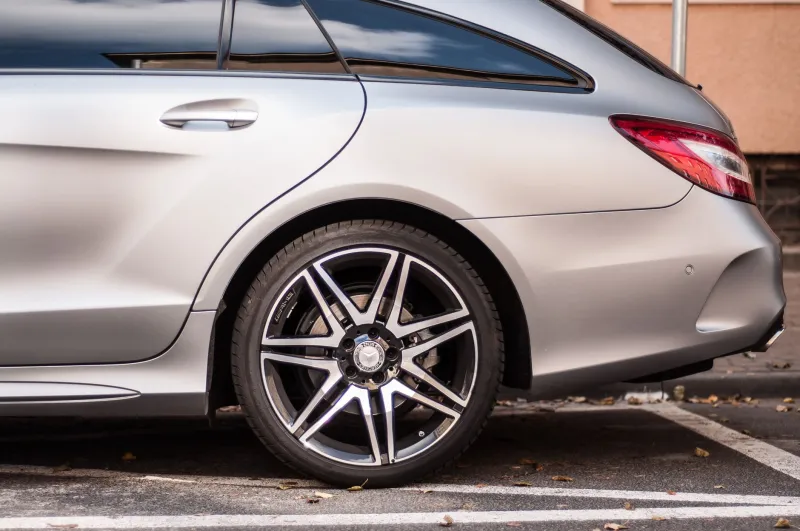
A car that's been stationary for weeks can develop flat spots, especially if the tyres were slightly soft to begin with. Check pressures when the tyres are cold and inflate them to the figures in the handbook or door pillar, not the number someone mentioned down the pub.
While you're there, look for cracking in the sidewalls, bulges, embedded screws and signs of kerb damage. London kerbs are unforgiving, and a tyre that was marginal before you parked may now be past its best. If a tyre is visibly deflated or damaged, don't drive on it to see how it feels. Sort it first.
Fluids, fuel and the damp inside
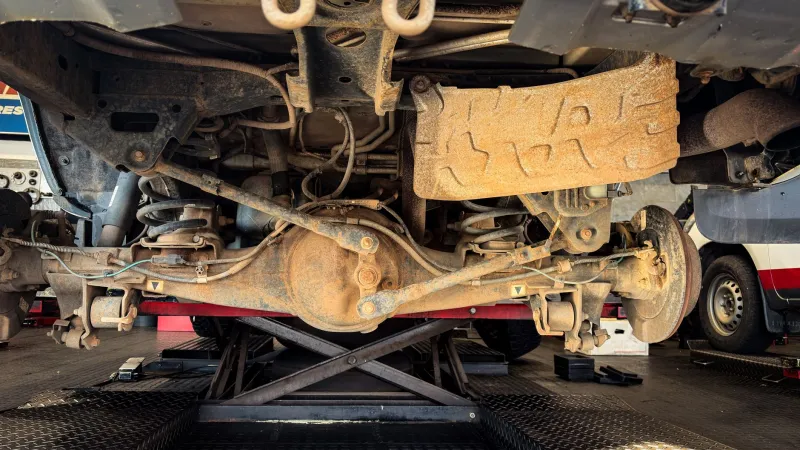
Lift the bonnet and check the obvious levels: engine oil, coolant, brake fluid and screen wash. A low coolant level or an oily patch can point to a leak that only became obvious while the car sat. Don't open the coolant cap when the engine is hot, and don't top up with whatever bottle is nearest without checking it's the right stuff.
If the fuel tank was nearly empty, a little fresh fuel isn't a bad idea before a longer run. And while you're in the cabin, deal with damp. London weather finds its way into cars that aren't being aired. Wipe down condensation, check for mould on the seats and carpets, and clear any blocked drains around the windscreen and doors. A musty smell after a long standstill often means water is getting in somewhere.
The first drive should be dull
After all that, resist the urge to make the first trip a motorway blast. Take a short, low-speed loop. Use the brakes gently, listen for new noises and let the car warm through. Check the mirrors, lights and wipers. After ten or fifteen minutes, stop somewhere safe and look under the car again for fresh leaks.
If everything feels normal, gradually build up to a longer journey. If warning lights stay on, the brakes feel odd, the steering pulls or the car won't hold a steady idle, book it in.
When a garage visit beats a hopeful restart
A long-parked car is worth a proper check if the battery keeps going flat, the brake pedal feels soft, there's a grinding noise that won't clear, fluids are dripping, a tyre is damaged or the dashboard looks like a Christmas tree. It's also sensible if the MOT is due soon or the service history has a gap. A local garage can test the battery, inspect the brakes and tyres, check for leaks and give you an honest view of what's needed before a longer trip.
Standing still isn't automatically bad for a car. But it does change what needs checking. A slow, methodical wake-up is cheaper than a roadside recovery, and far less stressful than discovering a problem at the end of the street.